In June 2021, the Environment Agency published their “Ant Broads and Marshes Restoring Sustainable Abstraction Investigation and Option Appraisal Closure Report” (Closure Report).
Following 5-years investigation and modelling, it recommended the revocation of “permanent” licences to abstract groundwater in the lower Ant valley, the refusal of applications to renew equivalent time limited licences and the refusal to grant new authorisations for a small number of abstractions for trickle irrigation. In total, 25 no. licences or applications were affected with over 3 million cubic metres per year of abstraction identified for removal. A smaller number of surface water licences were given hands-off-flow conditions.
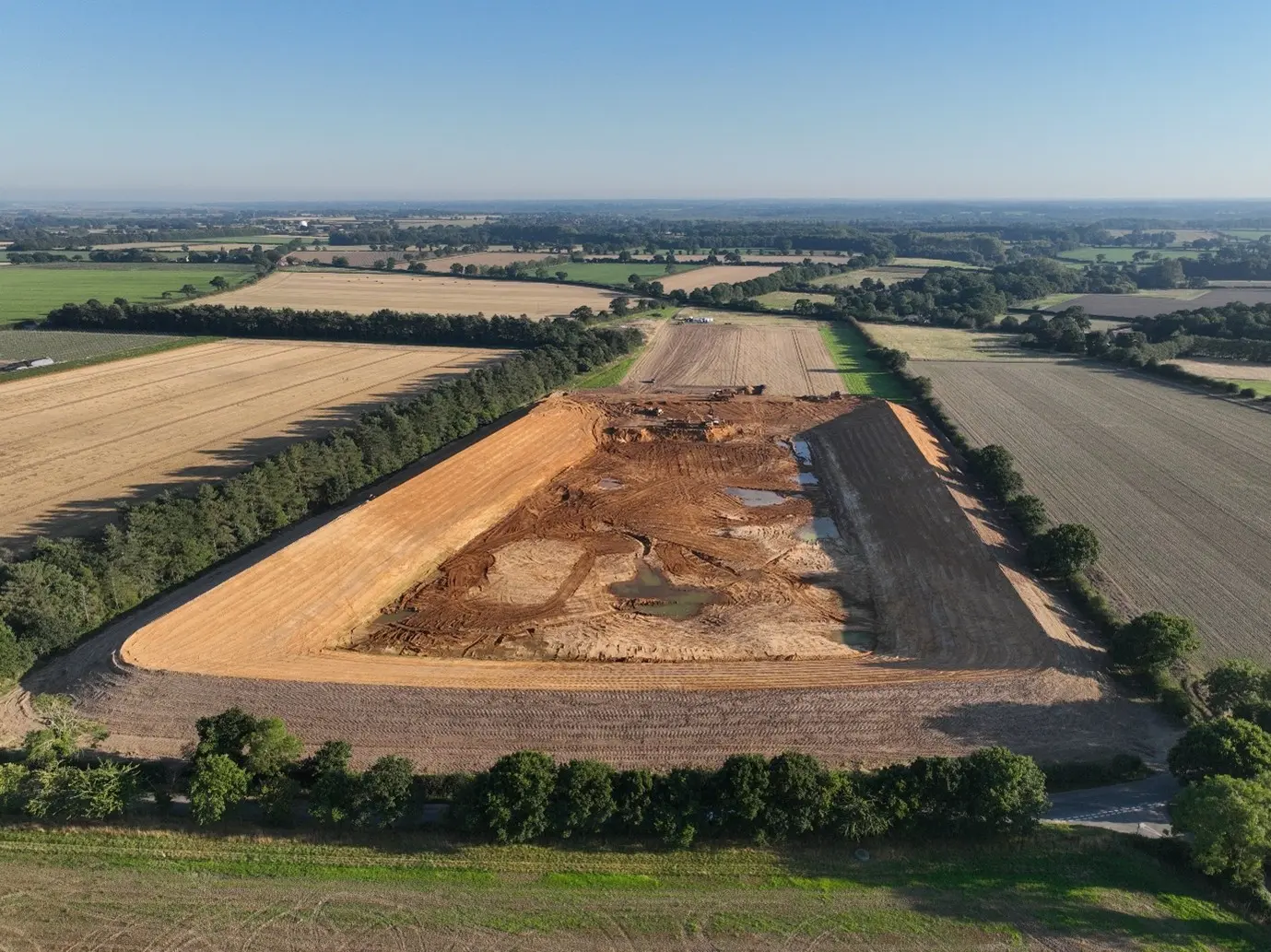
In response, and with the support of the NFU, we worked with the potentially affected abstractors on plans to adapt to the requirements of the Closure Report. Using Treasury Greenbook guidance, the Ant Valley Masterplan set out the case for change, the options available to the abstractors, the preferred options and the risks and issues associated with delivery of these. The plan formed the basis of work with the Environment Agency, Anglian Water, North Norfolk District Council and the Broads Authority to expedite the planning and permitting measures needed to design, construct and commission new sources of supply for the affected abstractors. Schemes that members delivered included:
Other schemes identified in the Masterplan, which are being progressed independently, include two new winter storage reservoirs. One of these is being configured to give flood risk management as well as water supply benefits.
As part of work on the Ant Valley Masterplan, our consultants were able to make improvements to the modelling of spray irrigation effects in the Environment Agency “North East Anglian Chalk” regional groundwater flow model. These improvements have since been adopted by the Environment Agency and have had the important effect of reducing abstractor vulnerability to future licence reductions.